The Qantas aircraft set to conquer the final frontier of long-haul travel is now on the Airbus assembly line in Toulouse, marking a significant step towards the airline’s non-stop flights between Australia and London and New York which will come to fruition in 2027.

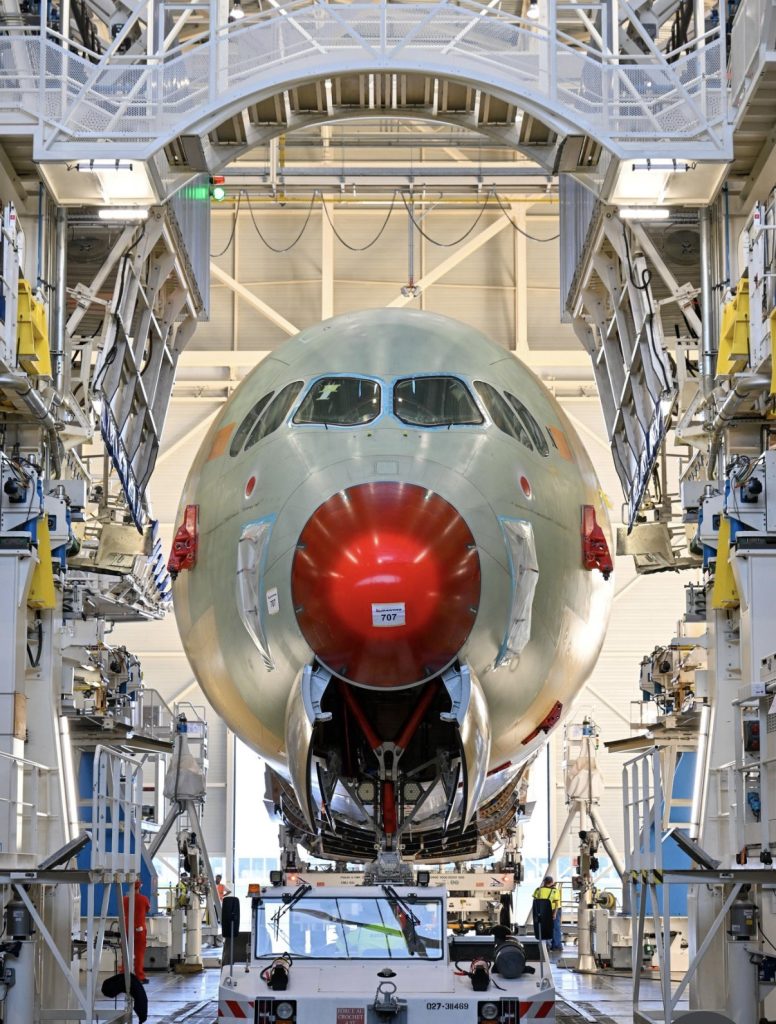
The national carrier and Airbus have released the first images of the A350-1000ULR (Ultra Long Range) aircraft, following the completion of major production milestones at the Airbus manufacturing facility.
As a pop culture and travel writer, I totally remember when the idea of the QF direct flights from Sydney to NYC/LDN were first mooted – when I was a consistent constant on QF’s ‘first’ flights around the world. Needless to say I can’t wait to try this one. It will, no question, be a brilliant way to get to both New York and London in one full swoop.


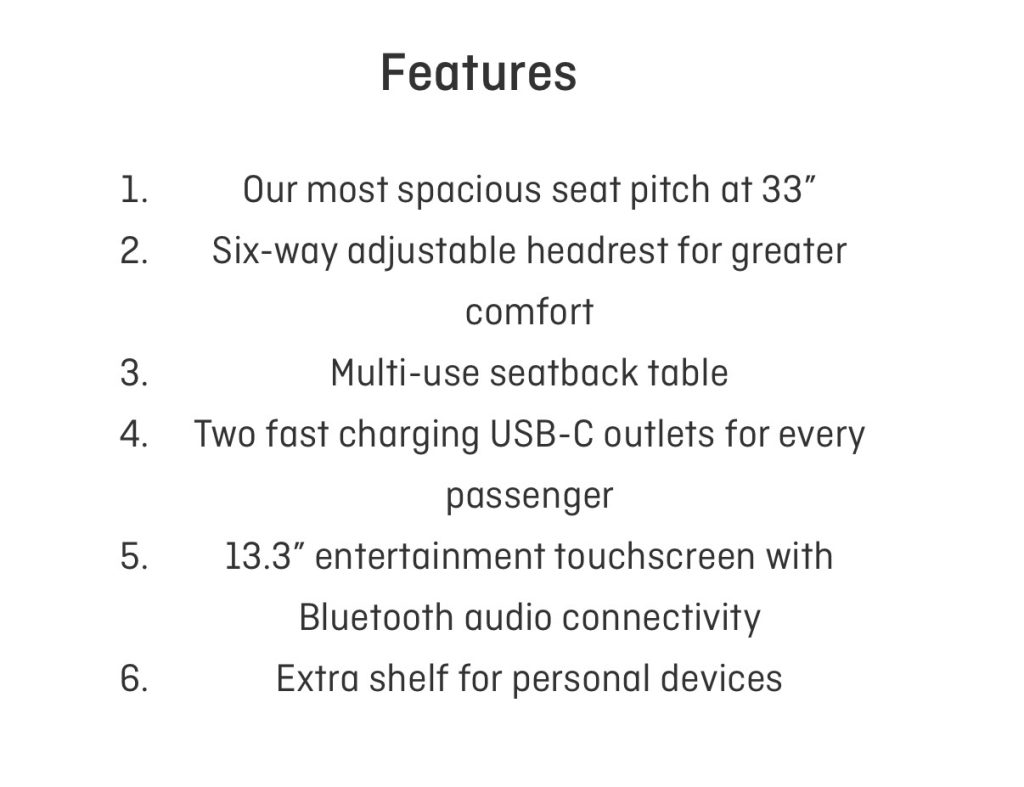
Qantas’ Project Sunrise will redefine long-haul luxury. A direct Sydney-to-London/New York flight? Yes please!
With the ultra-long-haul A350-1000 jets onboard, we’re talking flights over 20 hours, a dedicated ‘Wellbeing Zone’ for stretching and hydrating, premium suites, high-speed WiFi and a seriously elevated experience.
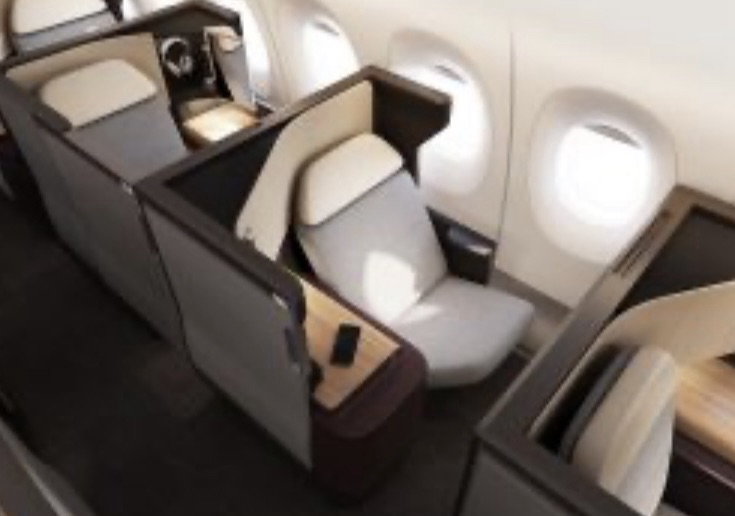
As someone always chasing the next horizon and effortless châteaux-to-city moments: this one’s a dream. Bring on a flat bed at 35,000 ft.
I’m thrilled to see how Qantas’ Project Sunrise is pushing the boundaries of global travel. From Australia’s east coast to New York or London—without stopovers, the carrier is aiming for world-class service.
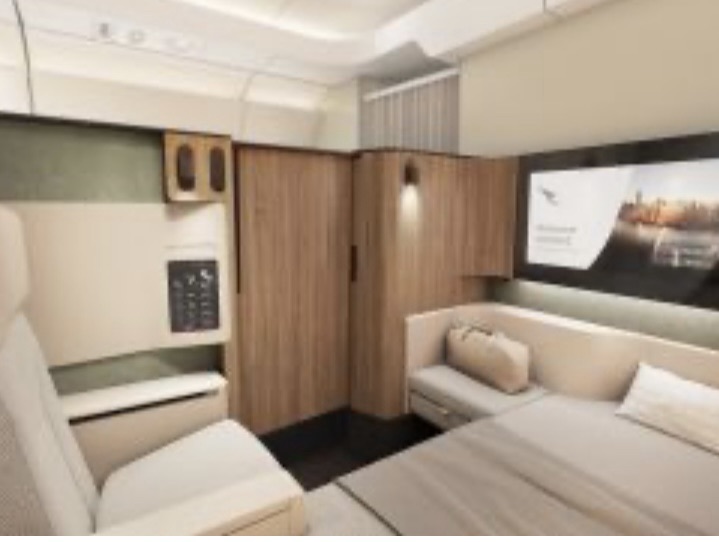
What genuinely excites me the most, and yes, I know Qantas has its detractors and supporters (how many of us have so many points waiting to be used!) but having observed the fusion of innovation they are using – from the ‘Wellbeing Zone’ (yes, that means stretching and hydration mid-flight), serious high-speed connectivity and premium cabin design, it is all being geared for the ultra in long-haul.

For anyone working in media, digital publishing or brand strategy: this is a marketing moment. How does the flight brand tell the story of flying reinvented? How do they position luxury travel for a post-pandemic world where time is the ultimate currency?
If you’re wanting to hear stories about travel, lifestyle or consumer experience, stay tuned. Because the skies will become a whole lot more interesting.
All key airframe components including the forward, centre and rear fuselage sections have come together, along with the wings, tail section and landing gear now attached.
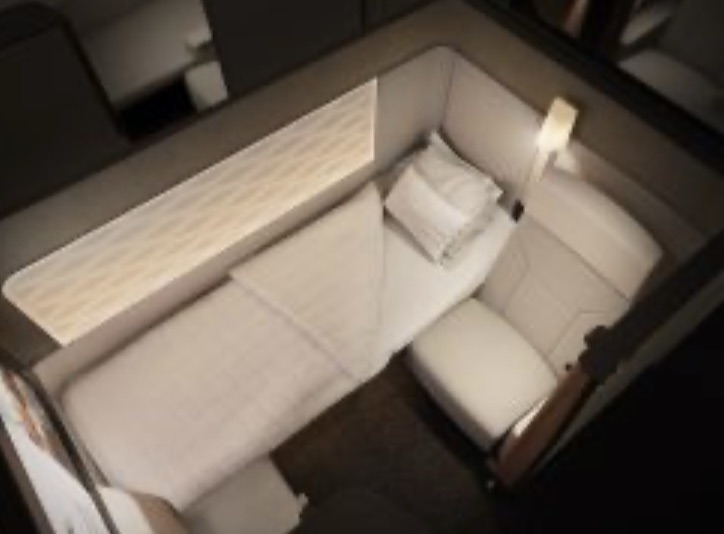
This week the aircraft will be transferred to a new hangar where it will have engines and flight test instruments installed, in preparation for an extensive test flight programme, commencing in 2026.
These specially configured A350-1000ULRs will enable the world’s longest commercial flights, connecting Australia’s east coast non-stop to London and New York for the first time. The aircraft will fly for up to 22 hours non-stop, made possible by an additional 20,000 litre rear centre fuel tank and enhanced systems, with every element designed around passenger comfort and wellbeing for ultra-long-haul operations. The direct services will cut up to four hours off total travel time, compared with one-stop services today.
The Project Sunrise name is a nod to the airline’s historic ‘Double Sunrise’ endurance flights during the Second World War, which remained airborne long enough to see two sunrises.
Qantas Group Chief Executive Officer Vanessa Hudson said the progress brings Project Sunrise one step closer to reality.

“Given Australia’s position in the world, Qantas has a long history of breaking aviation barriers. Project Sunrise will not only overcome the tyranny of distance, it will fundamentally change the way our customers travel the world,” said Ms Hudson.
“These flights will cut up to four hours off the journey and transform how people experience ultra long-haul travel, through science backed design to minimise jetlag and maximise wellbeing”.
The cabins have been developed from the ground up in collaboration with aviation specialists, Australian industrial designer David Caon, and a multidisciplinary team of experts from the University of Sydney’s Charles Perkins Centre. This includes sleep scientists working to combat jetlag through features like unique, customised lighting design and timed meal service.
Key to the cabin design has been giving passengers more space, with a 238-seat configuration versus the 300-plus seats layout used by other A350-1000 operators. This includes a purpose-built Wellbeing Zone located between the Premium Economy and Economy cabins featuring integrated stretch handles, guided on-screen exercise programs, a hydration station and a range of refreshments.
The first of 12 new aircraft is scheduled for delivery in late 2026, with the first commercial Project Sunrise services commencing in the first half of 2027.

Personally, can’t wait to get on board and give it my verdict. Bring it on!